How Regular Exercise Helps You Handle Stress Better
The stress response is a piece of ancient machinery that has changed very little since our distant ancestors depended on it to survive. When your brain senses a threat, it floods the body with adrenaline and cortisol, quickens the heart, tenses the muscles and sharpens the senses — all in preparation for vigorous physical action. For our ancestors, that action duly followed: they ran, fought or climbed, and the chemicals were burned off in the process. Modern stress is different. The threat is an email, a bill or a difficult conversation, the body primes itself for a sprint that never happens, and the stress hormones are left circulating with nowhere to go. Exercise, seen in this light, is not merely a healthy habit that happens to improve mood. It is the missing half of the stress response itself — the physical action your body was preparing for all along.
Completing the cycle your body started
This is why a brisk walk after a fraught meeting works so much better than sitting and stewing. Movement metabolises the very chemicals that stress released, signalling to the nervous system that the emergency has been dealt with and it is safe to stand down. Heart rate settles, muscles release their tension and breathing deepens. At the same time, physical activity prompts the brain to produce endorphins, the natural mood-lifters responsible for the calm, quietly satisfied feeling that follows a workout. Researchers sometimes describe exercise as completing the stress cycle, and the phrase captures something important: the tension was always meant to end in movement, and until it does, it tends to linger in clenched jaws, tight shoulders and restless nights.
The benefits of all this movement quietly compound while you sleep, too, because people who exercise regularly fall asleep faster and spend more time in deep, restorative sleep — and few things erode our ability to cope with pressure faster than a run of bad nights. Better sleep and lower stress feed each other in a virtuous circle, and exercise is one of the most reliable ways to set that circle turning.
Training a steadier nervous system
The most valuable changes, though, arrive over weeks and months rather than minutes. Regular exercisers do not simply recover from stress more quickly; they react to it less strongly in the first place. Studies comparing active and sedentary people find that the fit show smaller spikes in blood pressure and stress hormones when placed under identical pressure. The explanation is elegant: each workout is itself a mild, controlled dose of stress — heart racing, breathing hard — followed by recovery. Repeat that cycle a few times a week and the body becomes practised at switching the stress response on and, crucially, off again. In effect, exercise rehearses composure. The same steadiness you build on a walk, in the pool or on the mat is the steadiness available to you when a genuine crisis lands on your desk.
Beyond the body's chemistry there is a psychological dividend as well, because exercise interrupts rumination, the circular worrying that keeps problems alive long after the working day ends, by drawing your attention into the body and the present moment. It also builds a quiet sense of capability. Keeping a commitment to yourself, noticing your strength or stamina improve, managing something last month's version of you could not — these small proofs accumulate into confidence, and confident people appraise difficulties as challenges rather than threats.
Gentle counts, and gentler lasts
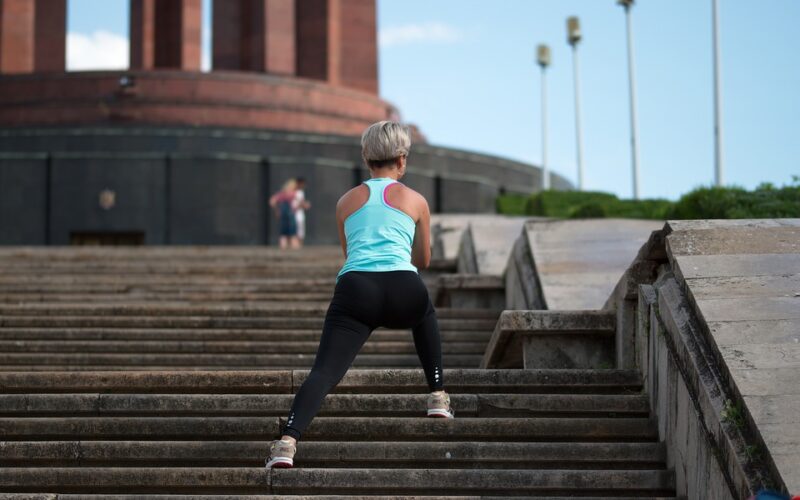
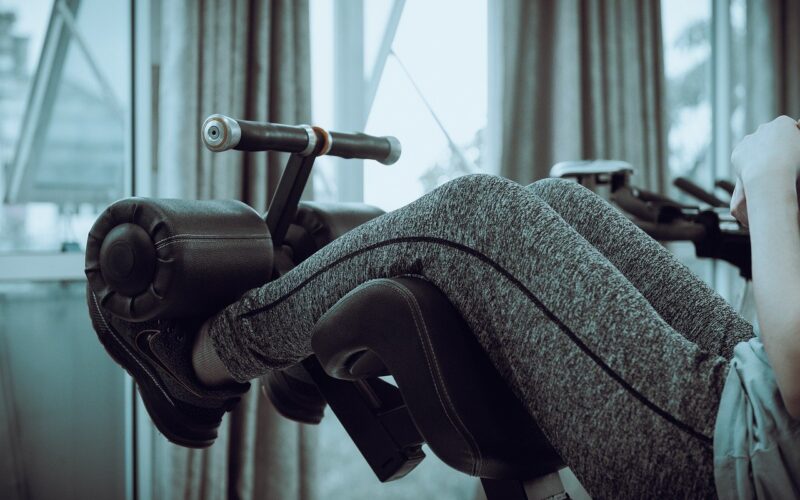
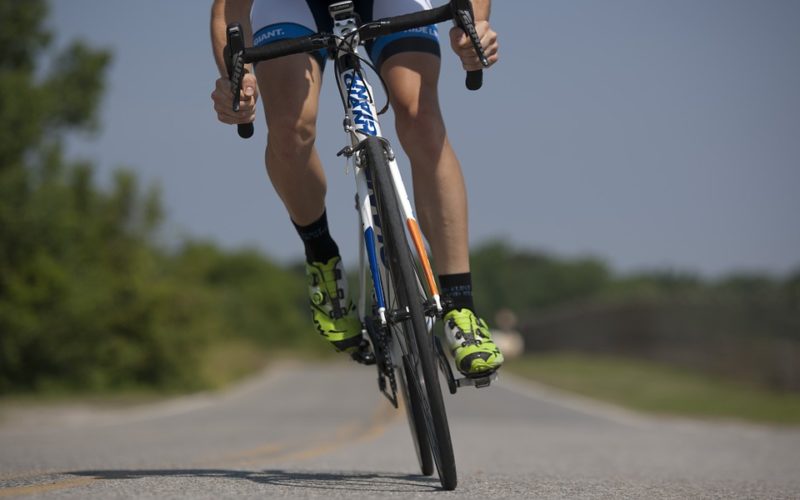
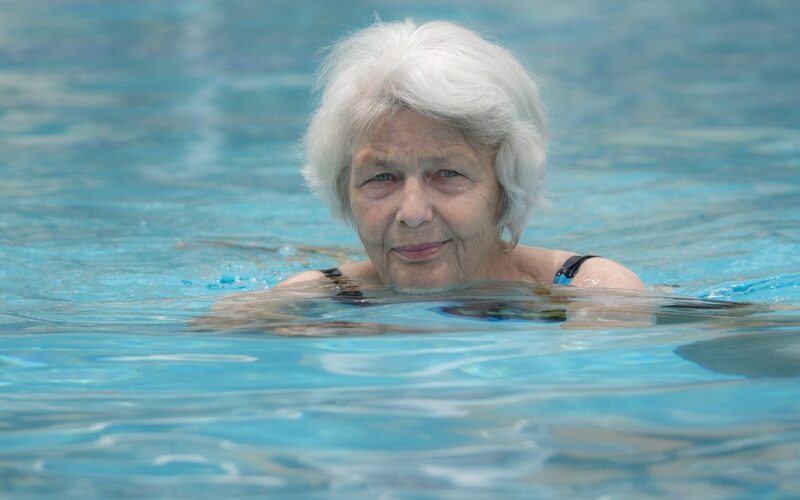
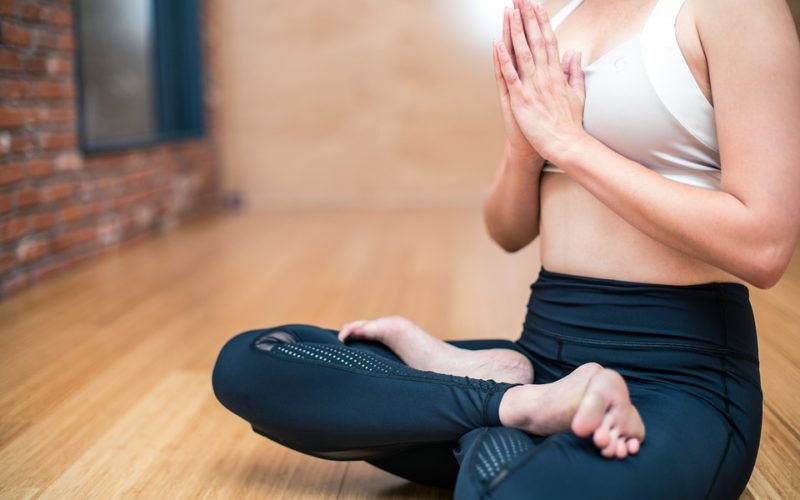
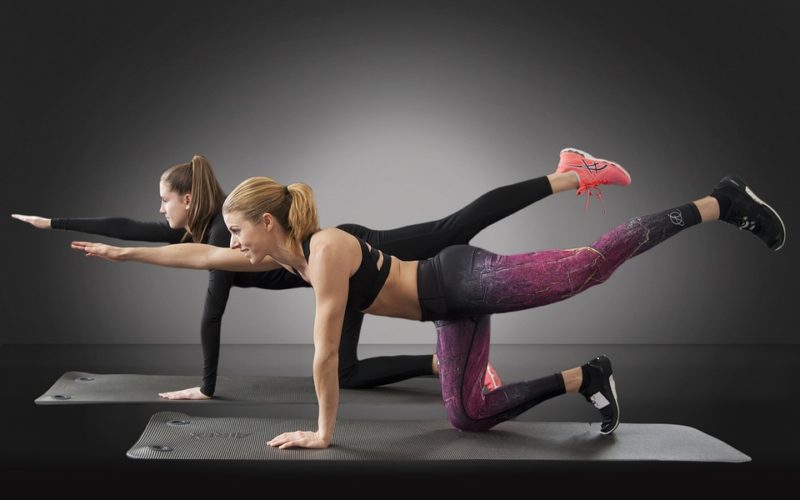
None of this requires punishing sessions; in fact, for stress purposes, moderate and enjoyable beats heroic and dreaded. Anyone returning to activity after a long pause does well to ease in rather than overwhelm muscles unused to hard work, because an exhausting regime quickly becomes one more source of pressure — and is usually abandoned within weeks. Walking, swimming, cycling and stretching all count. Yoga deserves particular mention, since it pairs movement and core strength with the slow, deliberate breathing that calms the nervous system directly, tackling stress from both ends at once. Around half an hour of moderate movement most days is the target worth working towards, but even ten minutes makes a measurable difference to mood.
The people who handle pressure best are rarely those with the easiest lives; they are usually those whose habits quietly absorb stress before it accumulates. Regular movement is the most dependable of those habits. It finishes what the stress response starts, trains the body to stay calm under load and clears the mind along the way — a remedy that costs nothing, starts working the first day, and grows stronger every week you keep it up.